Yorkshire Forced Rhubarb
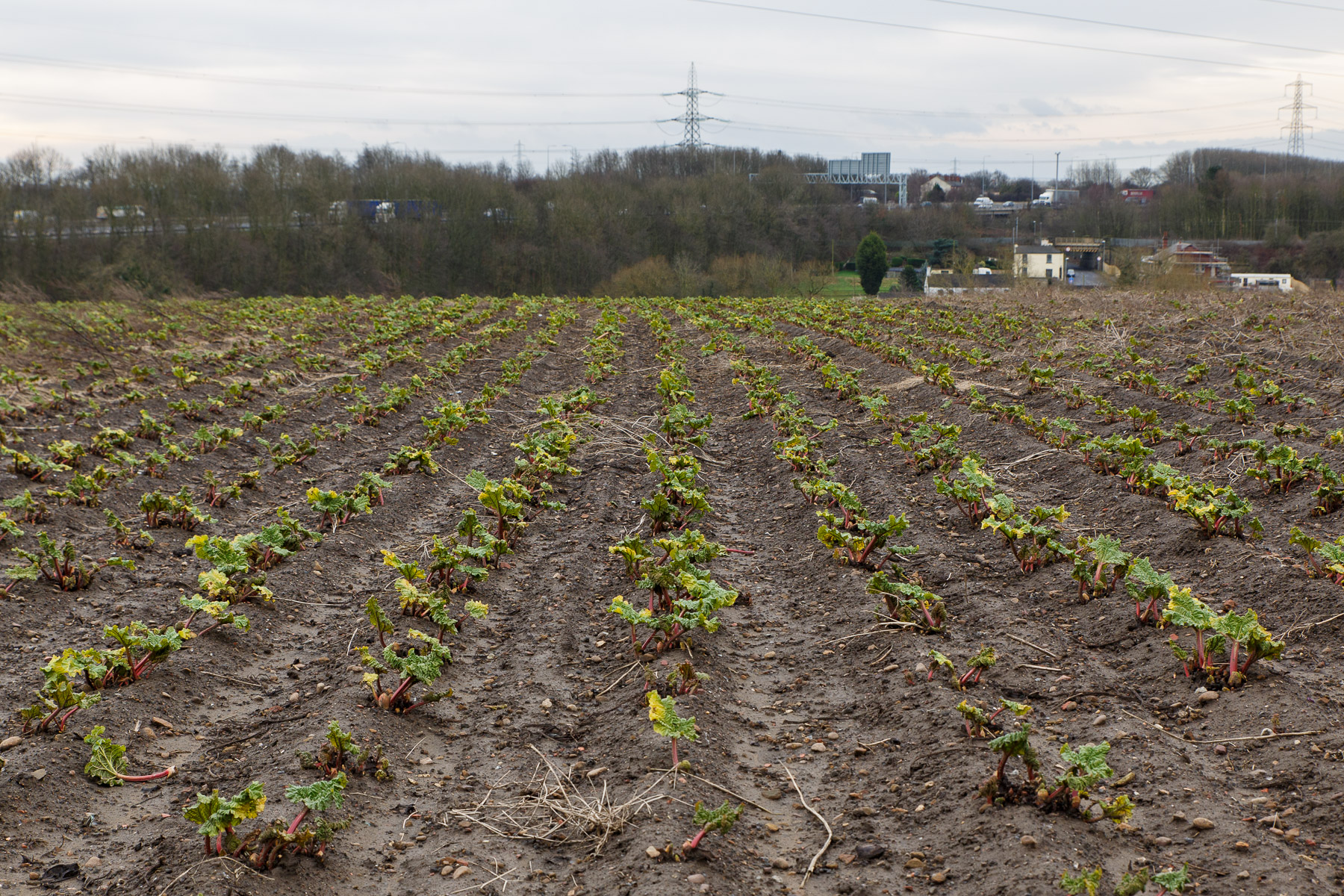
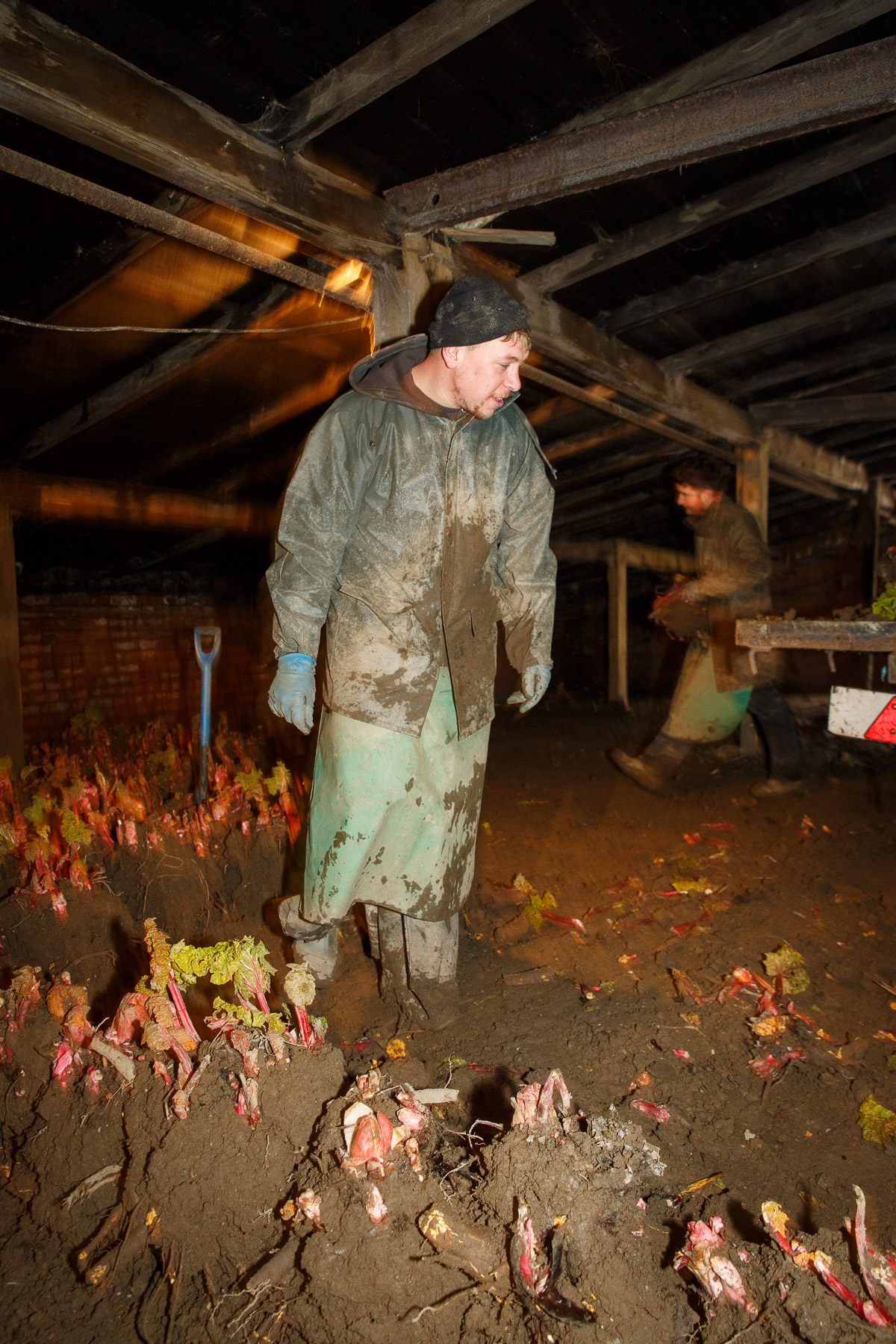
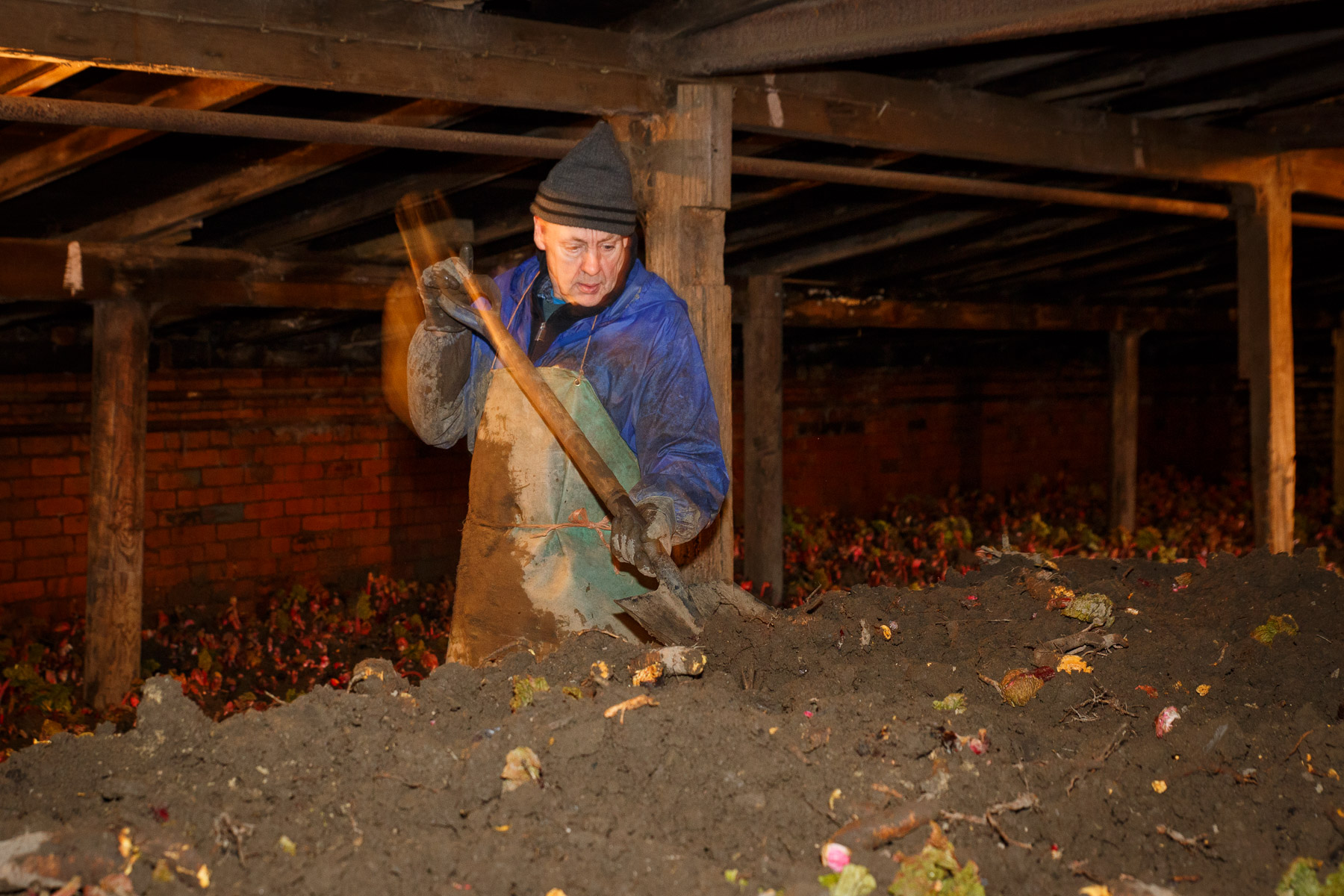
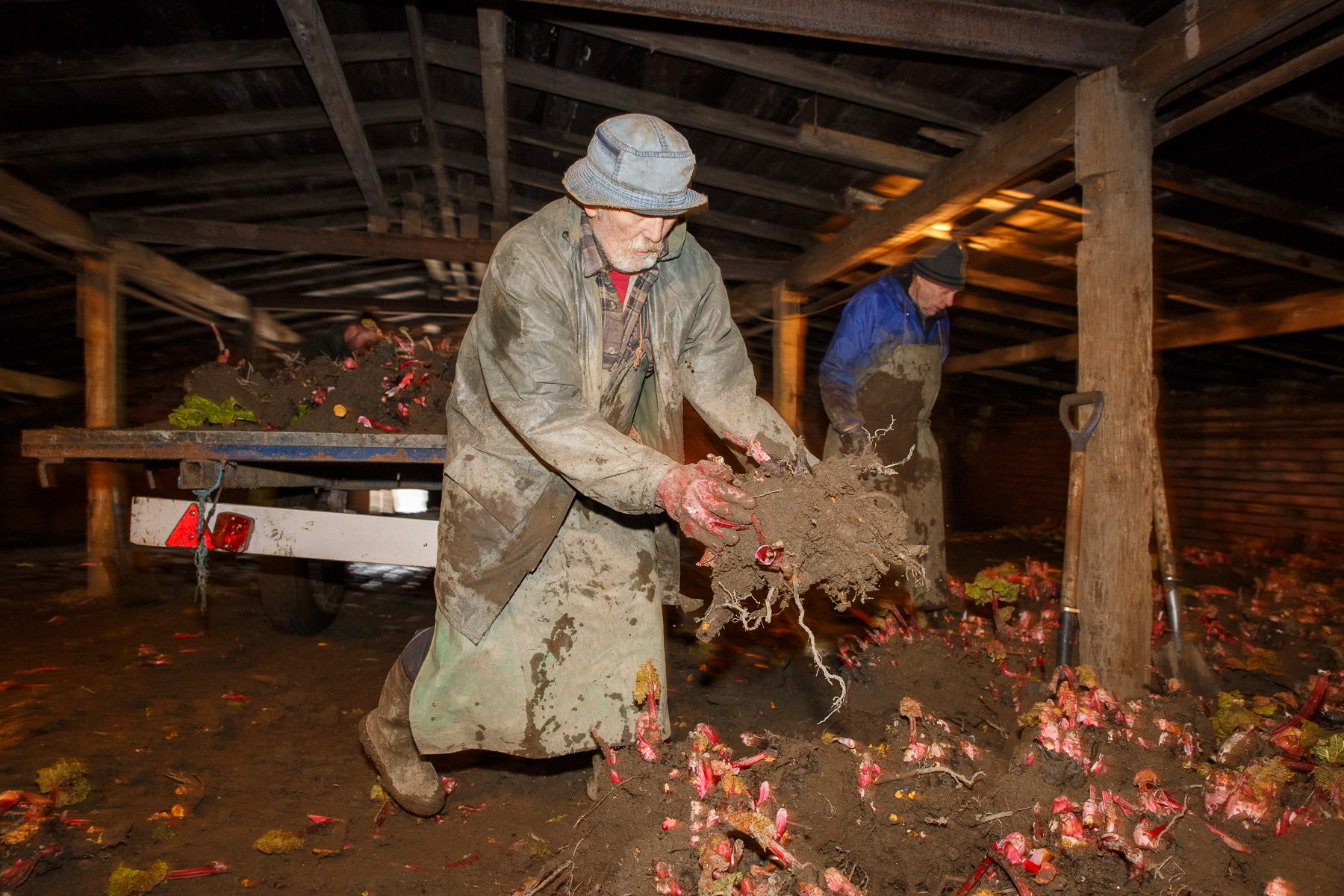
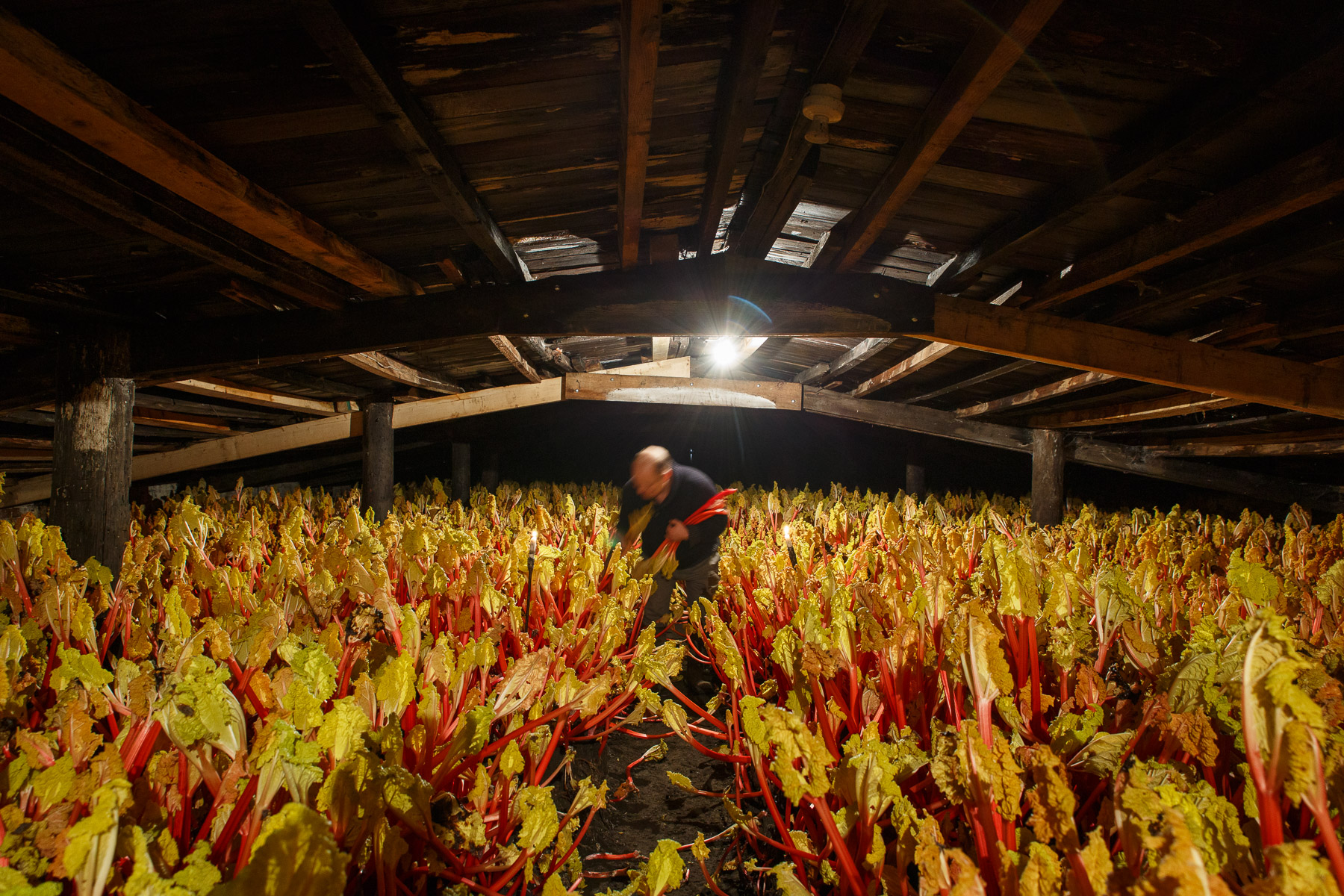
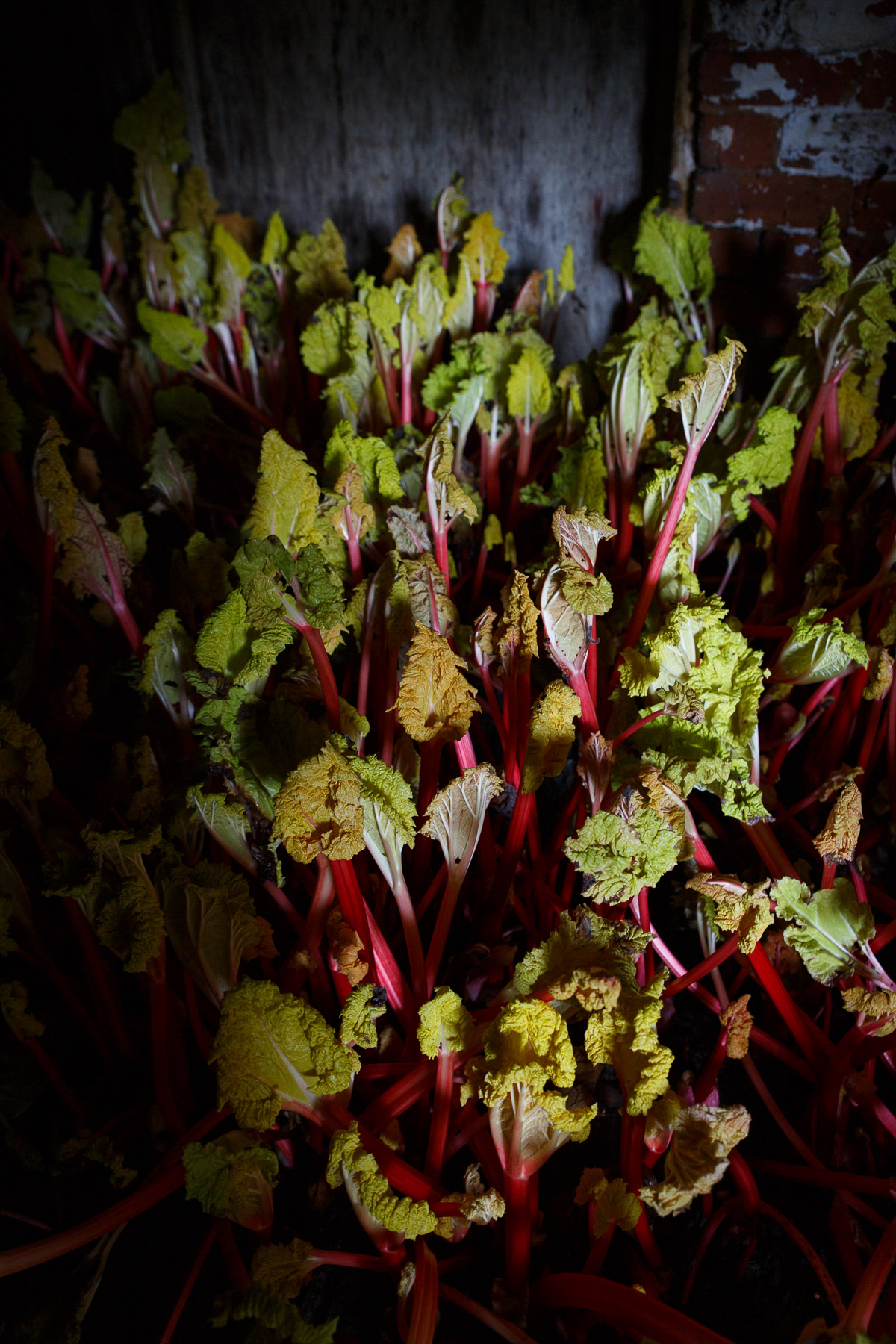
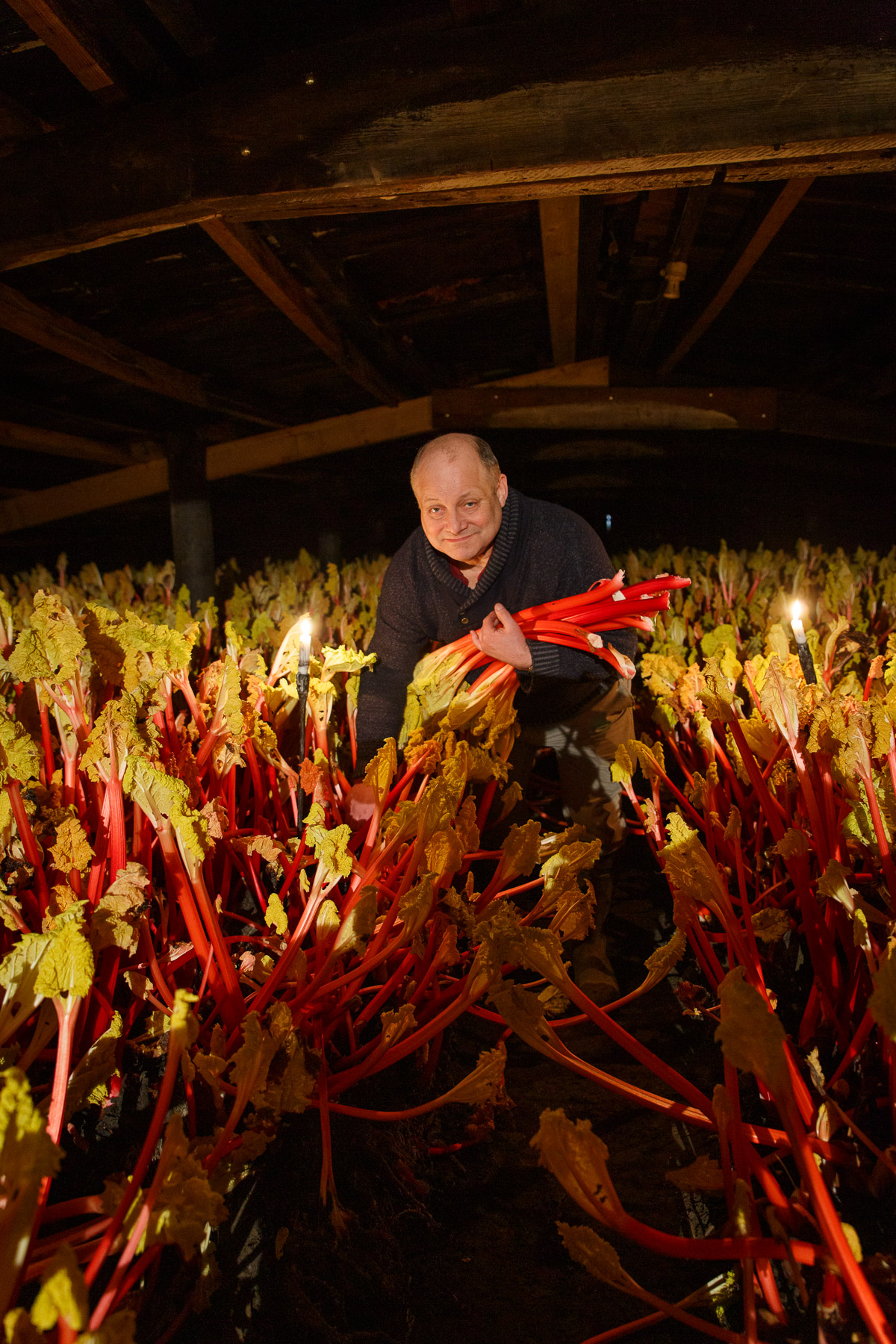
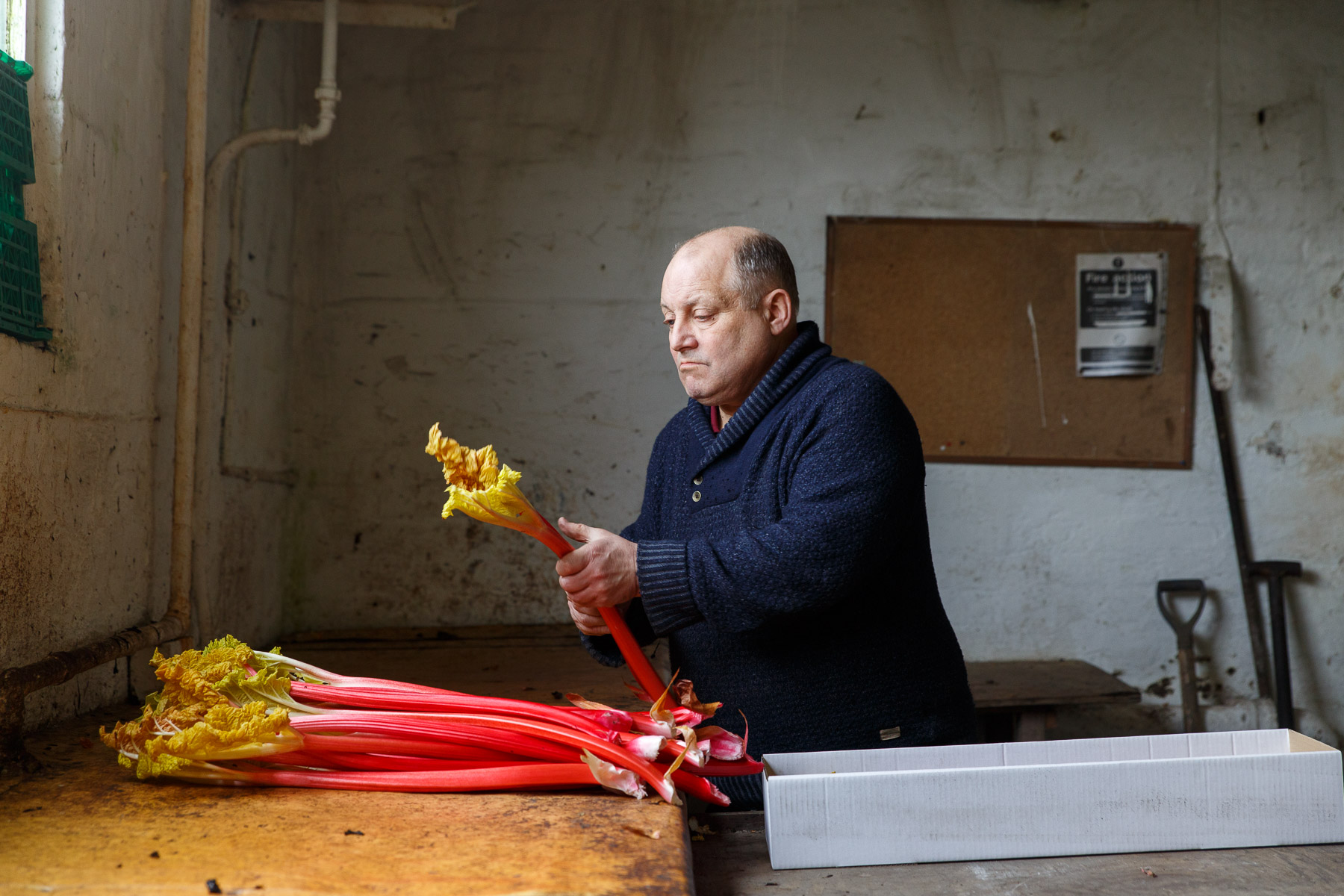
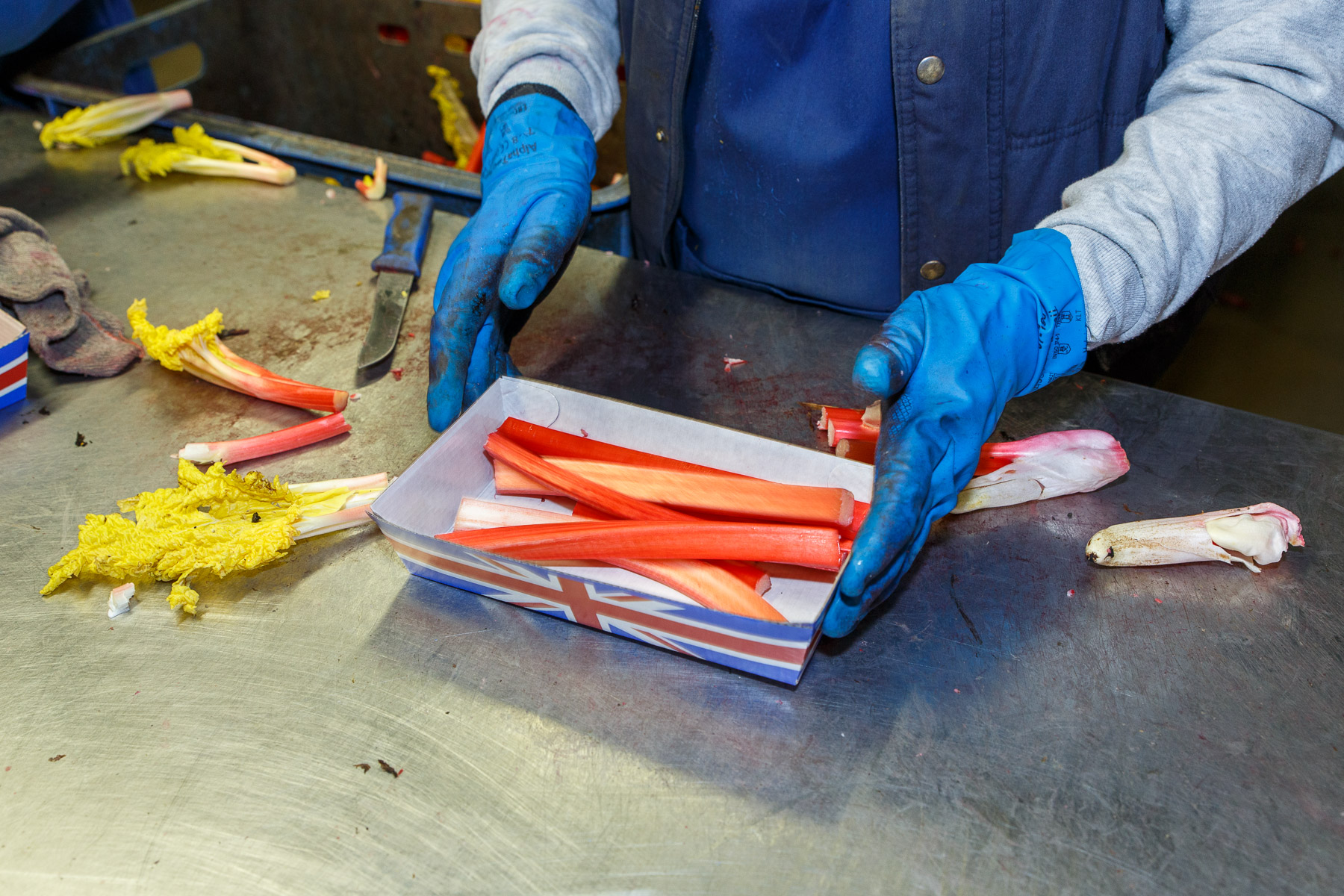
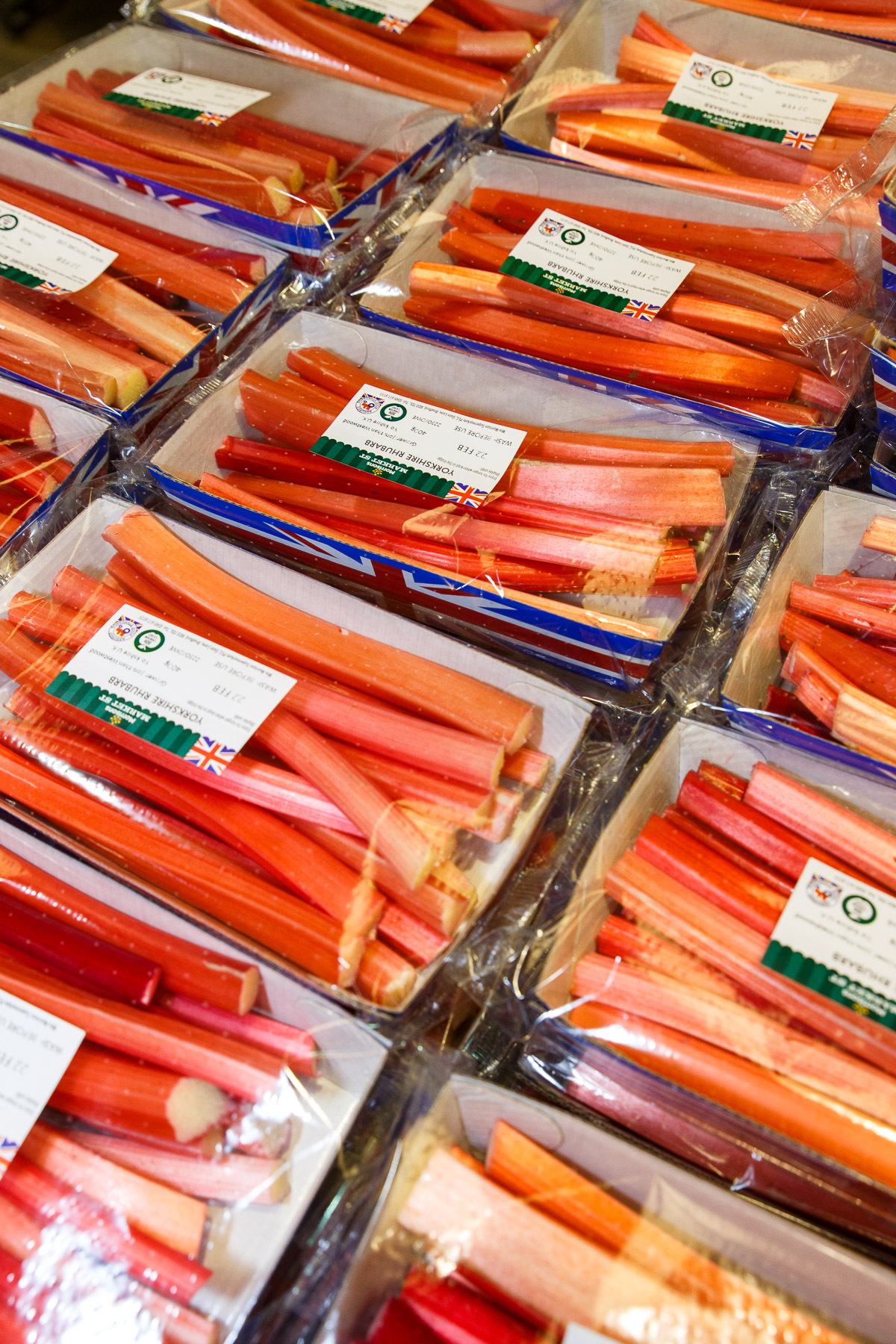
Bounded by the towns of Wakefield, Morley, and Rothwell in West Yorkshire, lies the Rhubarb Triangle, 9 square miles of farm land in which the globally famous Yorkshire Forced Rhubarb is produced. Forcing is a technique accidentally discovered in the 19th century; the rhubarb is grown in pitch black, heated sheds and harvested by candle light in order not to allow any photosynthesis at all, ensuring a delicate, tender pink vegetable. Yes, rhubarb is botanically a vegetable.
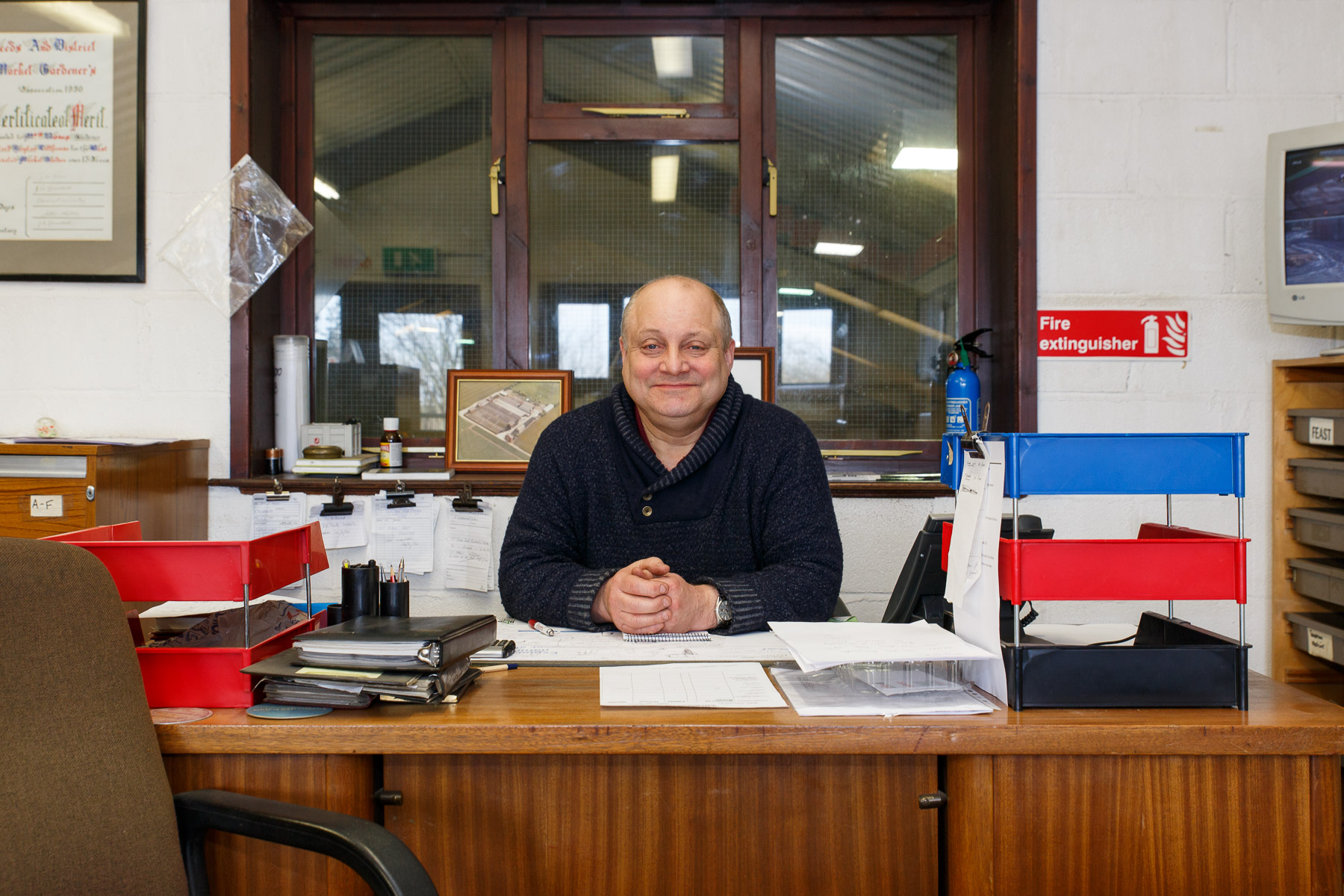
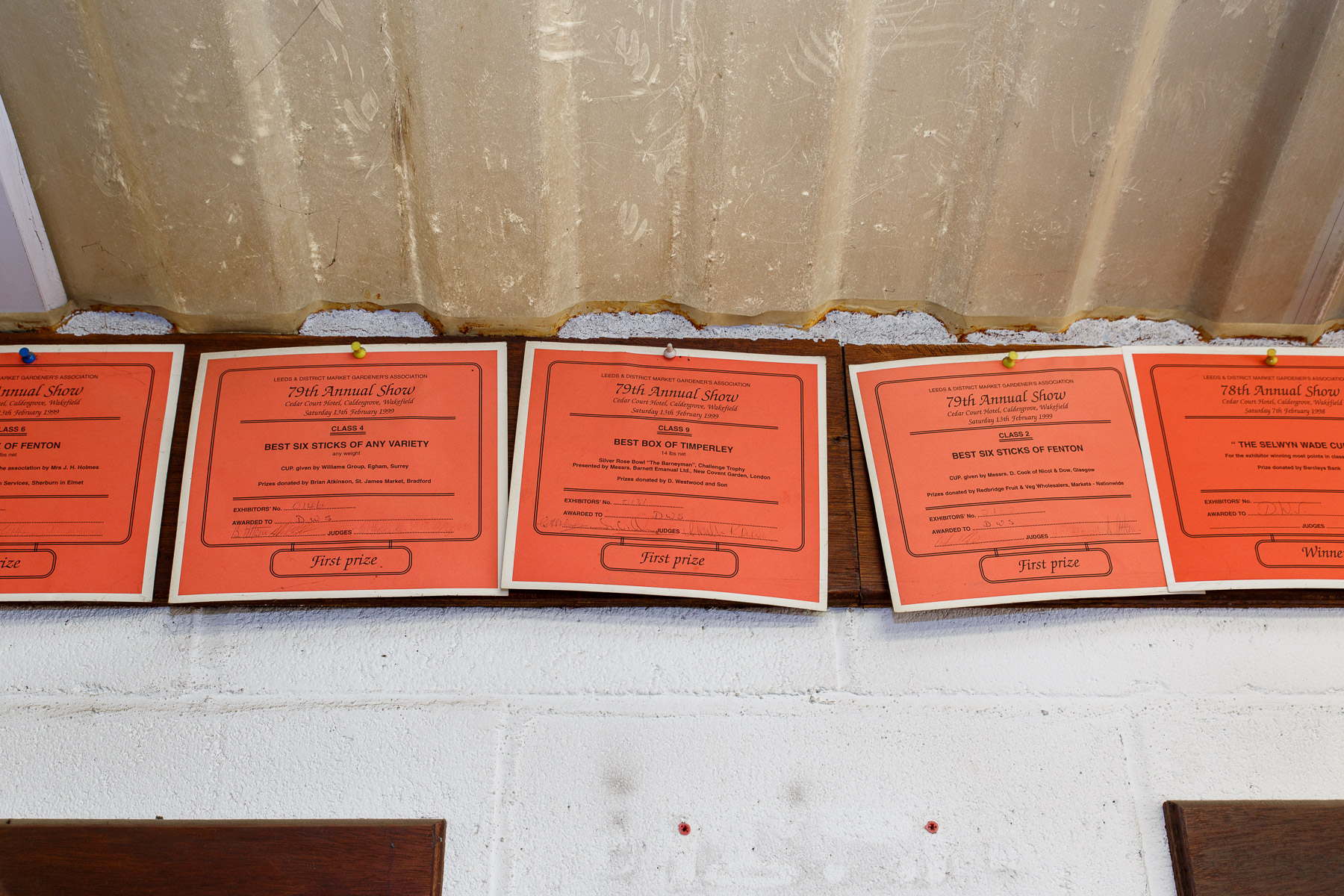
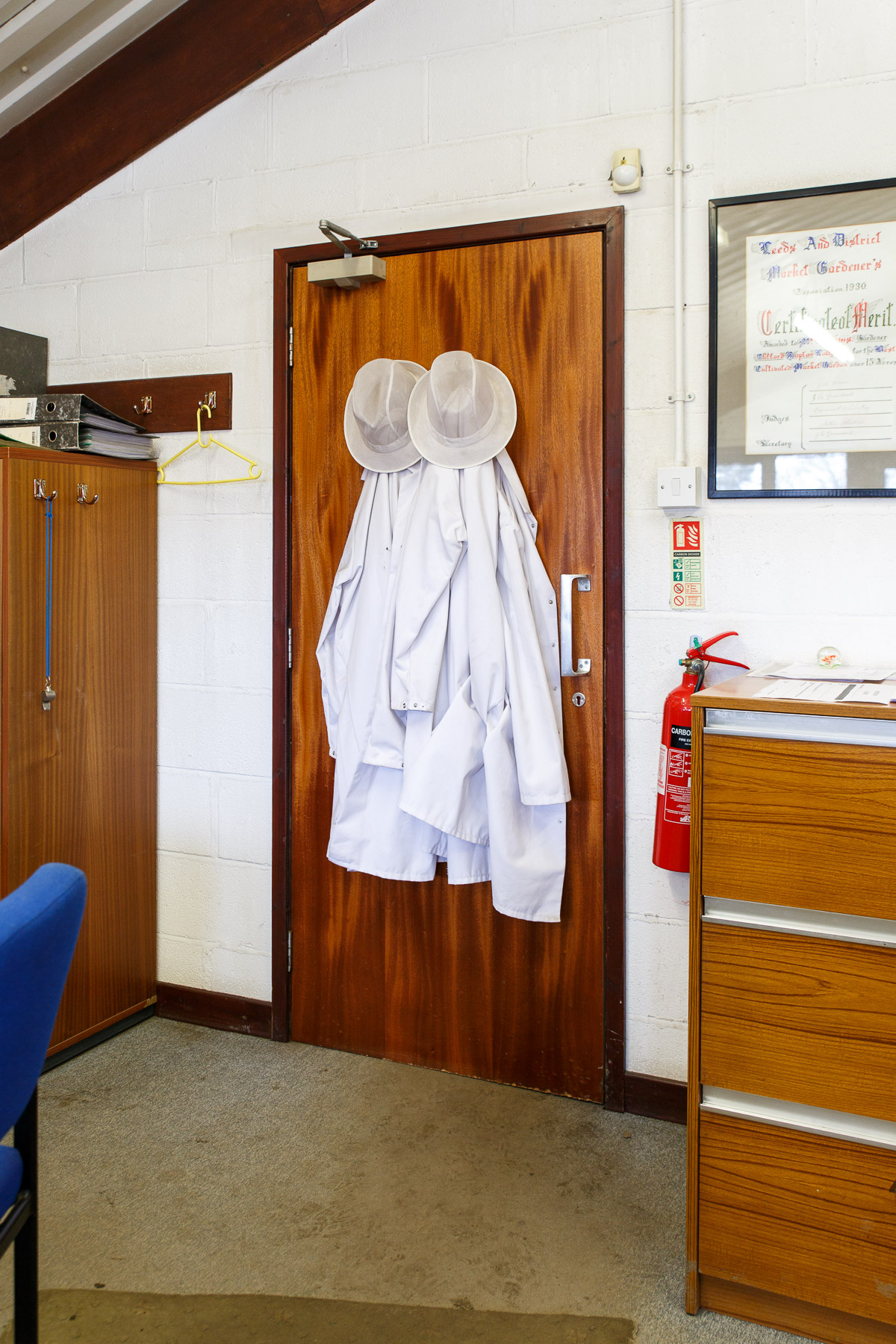
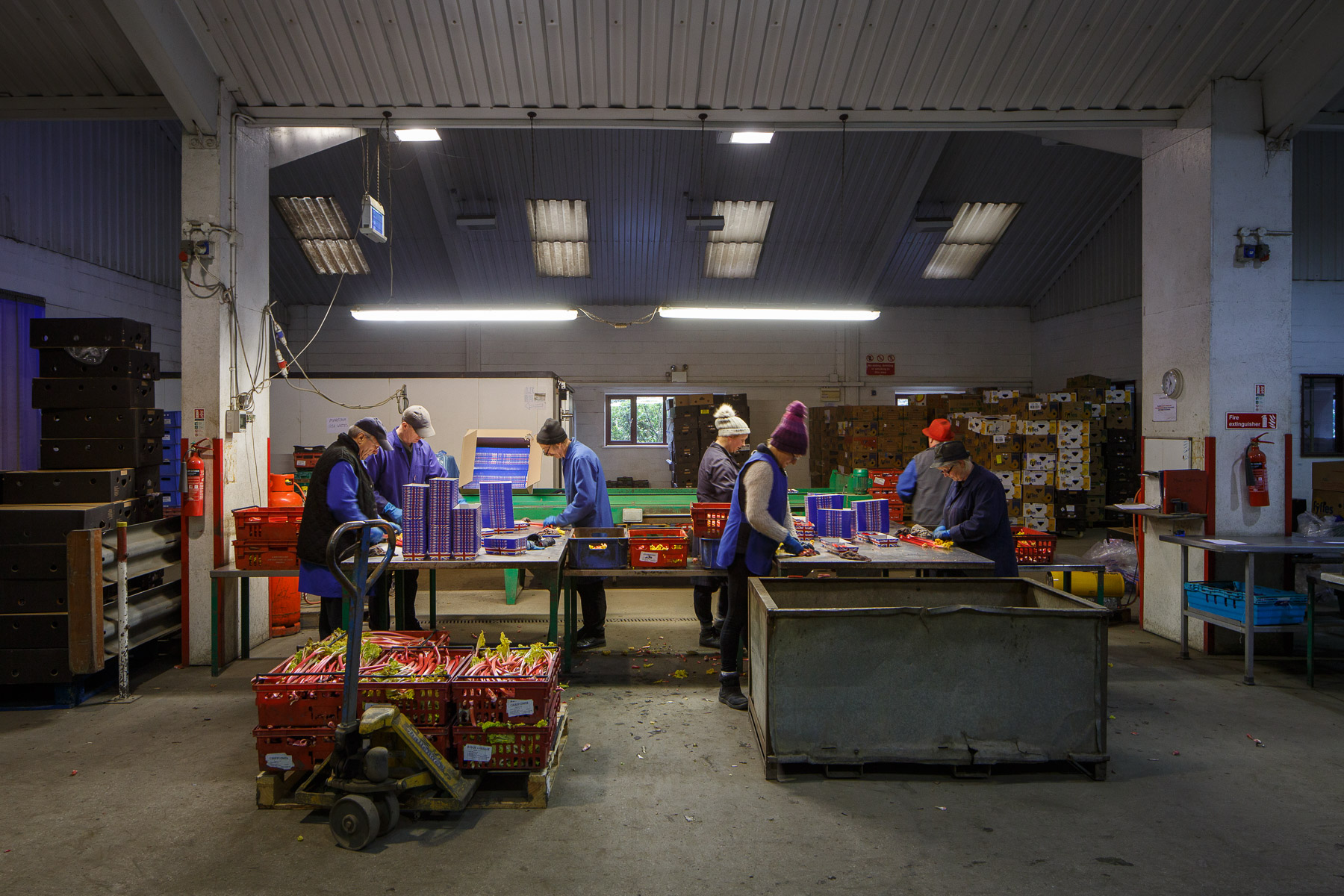
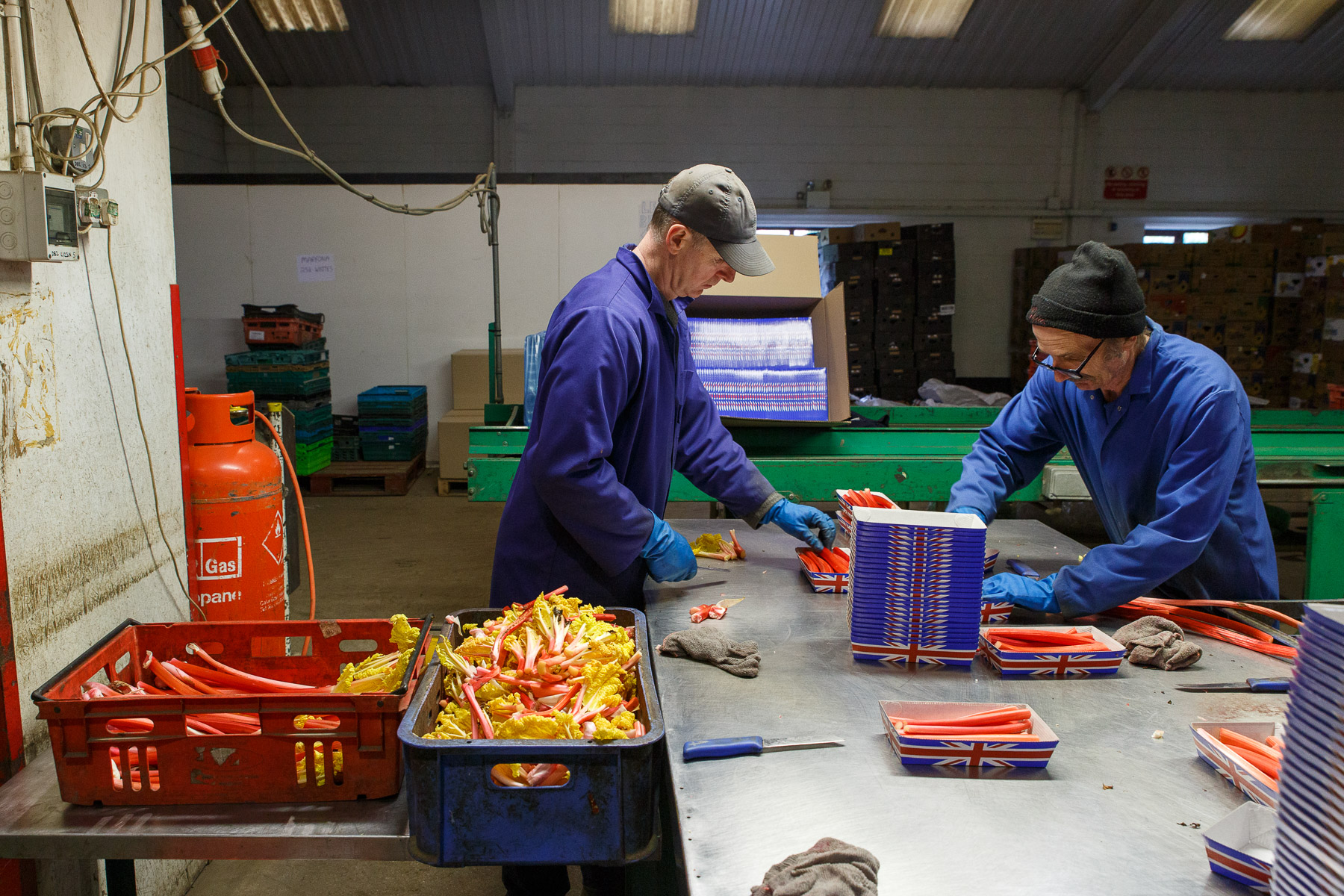
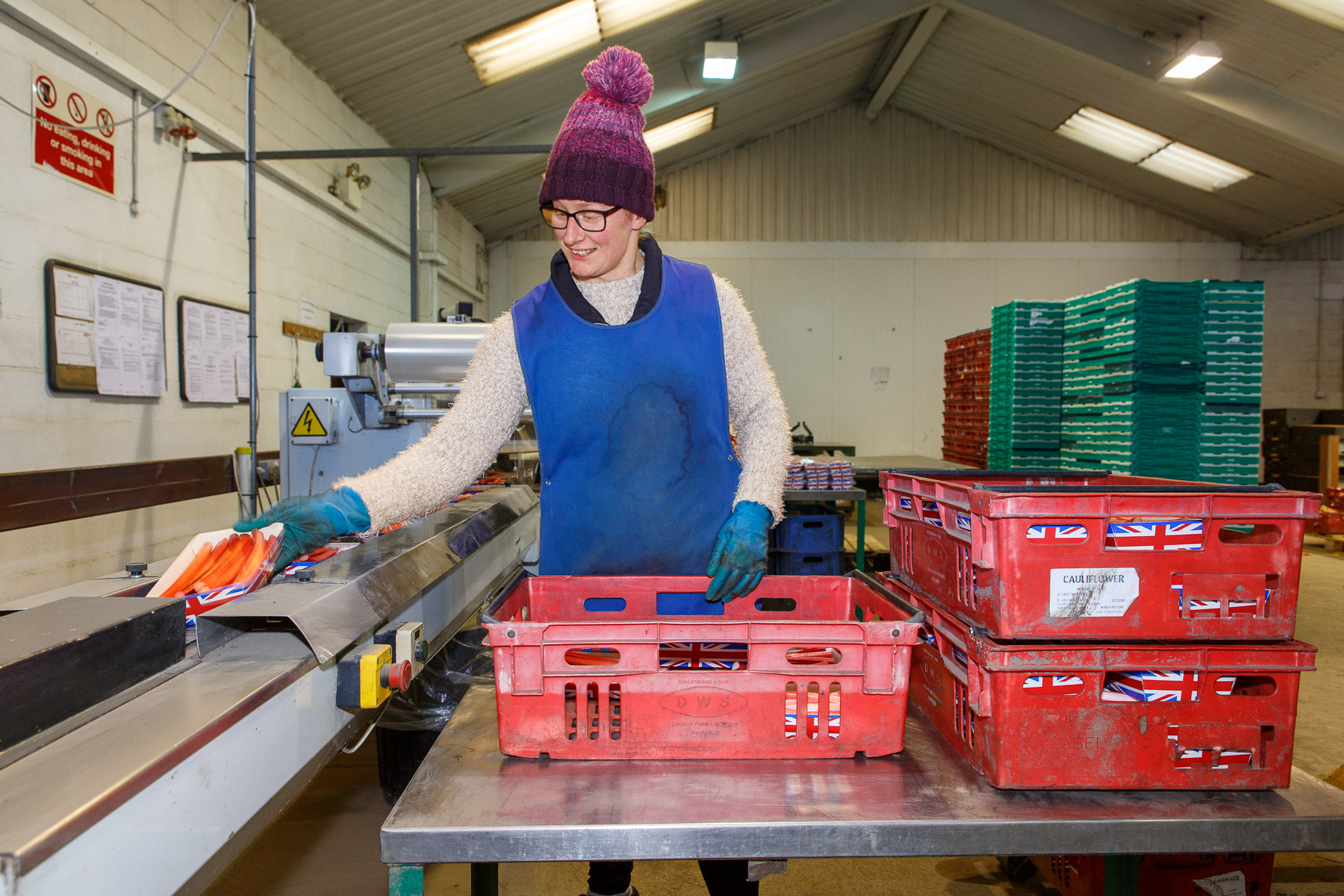
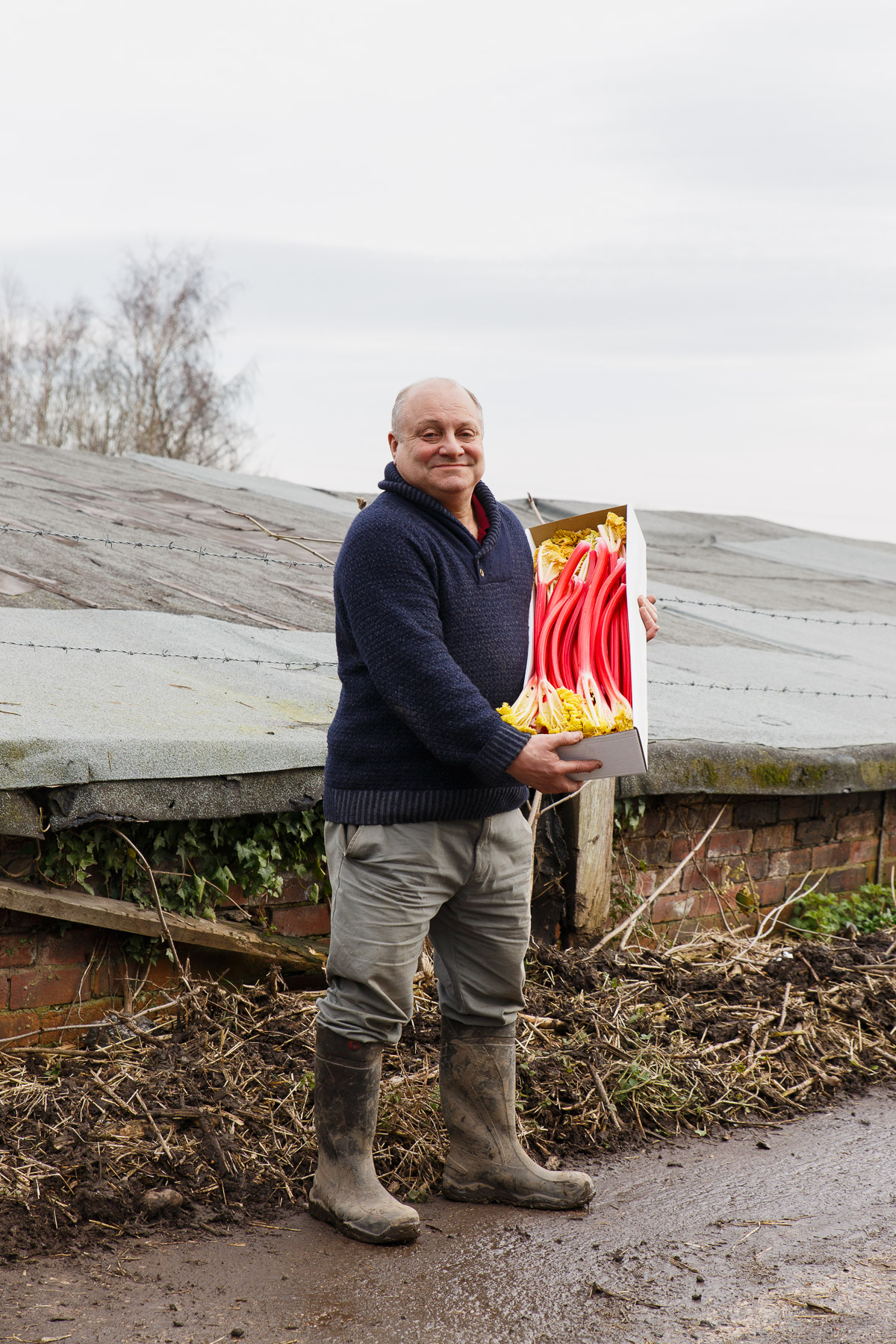
I visited the farm of Jonathan Westwood of D Westwood & Sons, whose family have worked this land since at least 1880. A softly spoken Yorkshireman used to dealing with the interest in one of West Yorkshire’s best exports, he showed me his farm and carefully explained the process to me. Like Stilton and Parmesan Cheese, Yorkshire Forced Rhubarb has PDO (Protected Designation of Origin) status. Interest from top chefs has never been greater and there is a week-long rhubarb festival in Wakefield capitalise on this interest. Yet, production lies in the hands of a few farms and many of the young generation don’t wish to carry on their family traditions. Farm land has been sold to housing developers and the fate of the industry can by no means be taken for granted. The state of production might be said to be as delicate as the rhubarb itself.
This series of images was commissioned by CPRE (Campaign for the Protection of Rural England) as part of their Ways of Seeing of West Yorkshire project.